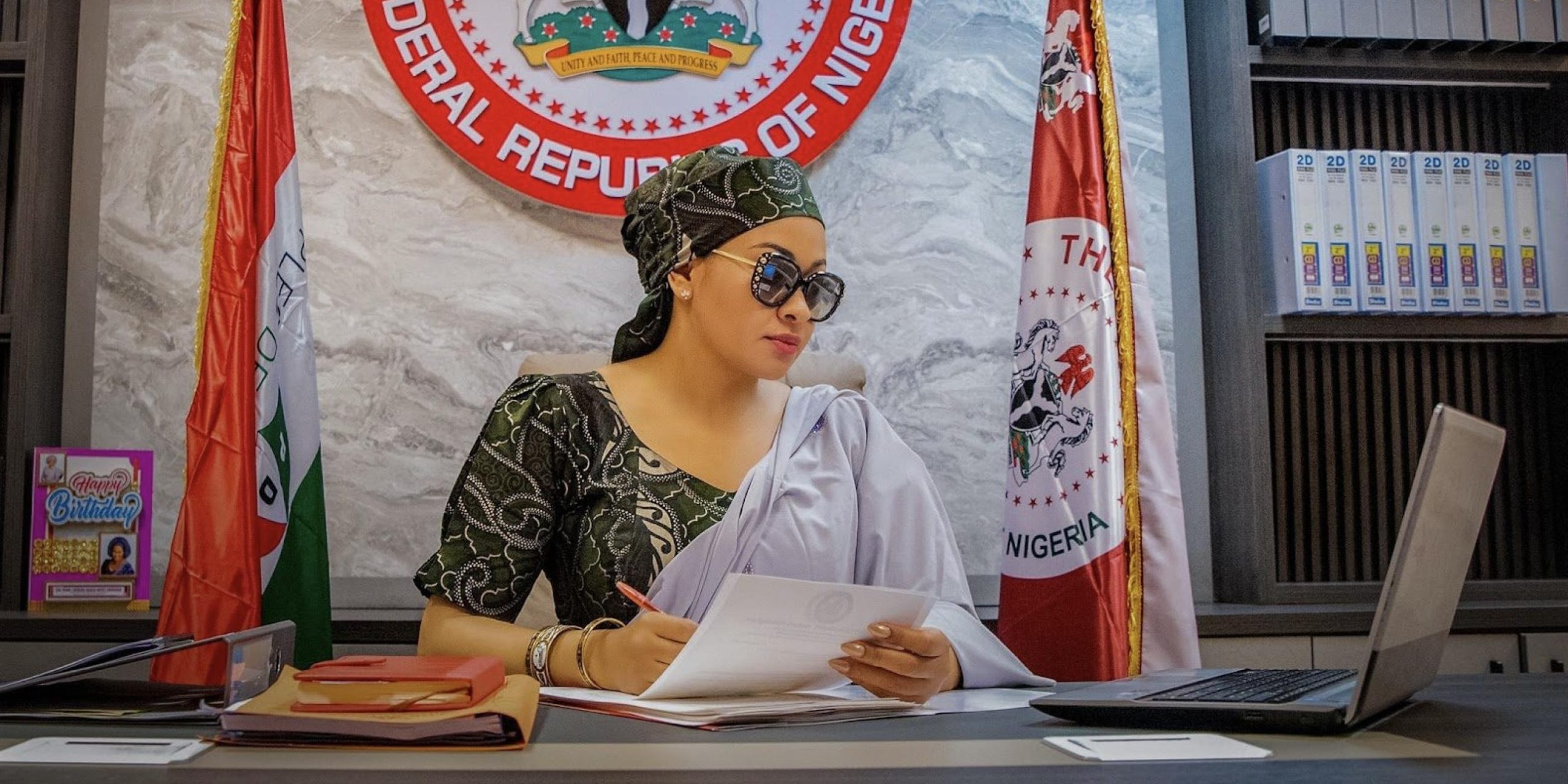
By SUNTV Global Channel
Date: 15 December 2025
Abuja, Nigeria — Senator Natasha Akpoti-Uduaghan, representing Kogi Central Senatorial District, has clearly explained why she has refused to defect to the ruling All Progressives Congress (APC) despite repeated pressure from powerful political figures, including individuals linked to the Presidency and her colleagues in the National Assembly.
Her decision has sparked widespread political debate, especially at a time when defections to the ruling party have become common among Nigerian lawmakers. Akpoti’s refusal is being seen by many analysts as a rare display of political independence and loyalty to opposition politics.
Pressure to Join APC Intensifies
Senator Natasha disclosed that she has been approached on several occasions by influential political actors urging her to abandon the Peoples Democratic Party (PDP) for the APC. According to her, the pressure was persistent and came from multiple directions, reflecting a broader attempt to weaken the opposition in the Senate.
In Nigeria’s political landscape, such pressure is not unusual. Lawmakers are often encouraged to cross over to the ruling party with promises of protection, influence, or political advantage. However, Akpoti-Uduaghan says she has chosen a different path.
“I don’t believe in following political bandwagons,” she said, stressing that her loyalty cannot be bought or forced.
Why Natasha Akpoti Refused to Defect
At the core of her decision is principle over convenience. The senator insists that joining APC is neither necessary nor beneficial to her political mission.
According to her, politics should be driven by conscience, integrity, and service to the people — not fear, intimidation, or political survival instincts. She believes that defecting simply to align with power undermines democracy and weakens accountability.
By staying with the PDP, Akpoti-Uduaghan says she maintains her independence and remains true to the mandate given to her by the people of Kogi Central.
Her Experience With APC in the Past
The senator has acknowledged that she was once associated with the APC earlier in her political journey. However, she explained that her experience within the party did not offer her the political freedom or sense of purpose she now values.
She maintains that returning to APC would not represent progress but rather a reversal of lessons learned from past political experiences. For her, political maturity means choosing a platform that aligns with personal values, not one that merely offers power.
Comfort, Space, and Voice Within PDP
Another major factor influencing her decision is what she describes as political space and peace of mind within the PDP. While the party has its internal challenges, Akpoti-Uduaghan believes it allows her more freedom to express her views and speak boldly on national issues.
She argues that true representation requires the freedom to question authority and challenge decisions that may not serve the public interest — something she feels would be limited if she joined the ruling party.
Standing Against Political Bandwagoning
Senator Natasha has openly criticized the culture of mass defections in Nigerian politics. She believes that when opposition lawmakers abandon their parties en masse, democracy suffers.
According to her, a strong democracy needs a vibrant opposition to hold the government accountable. Without it, legislative debate becomes weak and citizens lose alternative voices.
Her refusal to join APC is therefore not just a personal decision but also a statement against what she describes as opportunistic politics.
Gender Politics and Power Struggles
Beyond party politics, Akpoti-Uduaghan has also spoken about the unique challenges faced by women in Nigerian politics. She has often been vocal about being questioned, undermined, or pressured in ways she believes male politicians rarely experience.
From doubts about her legitimacy to attempts to silence her voice, the senator says she has had to fight harder to assert herself. Refusing to defect, in this context, is also an assertion of dignity and self-worth.
She insists she will not allow political pressure or gender bias to define her career.
Political Risks of Staying in Opposition
Analysts note that remaining outside the ruling party comes with risks. Lawmakers in opposition often face limited access to key committee roles and reduced influence in legislative decision-making.
However, Akpoti-Uduaghan appears unfazed by these realities. She argues that political relevance should not be measured solely by proximity to power but by integrity, courage, and consistency.
Her supporters see her stance as brave, while critics argue that joining APC could make her more effective in delivering projects to her constituency. The debate continues.
Implications for 2027 Elections
As Nigeria looks ahead to the 2027 general elections, Senator Natasha’s decision could shape her political future. By remaining with the PDP, she has positioned herself as a strong opposition figure and a symbol of resistance to political coercion.
Speculation remains about her next move — whether she will seek re-election, aim for higher office, or continue building her influence nationally. What is clear is that her refusal to defect has strengthened her public image as an independent voice in Nigerian politics.
Conclusion
Senator Natasha Akpoti-Uduaghan’s refusal to join the APC, despite sustained pressure, is rooted in principle, personal conviction, and resistance to political intimidation.
In a political era where loyalty is often traded for convenience, her decision stands out as a reminder that ideology and integrity still matter. Whether her stance proves strategically advantageous in the long run remains to be seen, but for now, she has made one thing clear: her politics will not be dictated by power alone.