SUNTV Global Channel | June 15, 2026
One year after one of the deadliest attacks in Benue State’s recent history, survivors of the Yelewata massacre are still battling displacement, hunger, and trauma, as Amnesty International accuses Nigerian authorities of failing to deliver justice for victims.
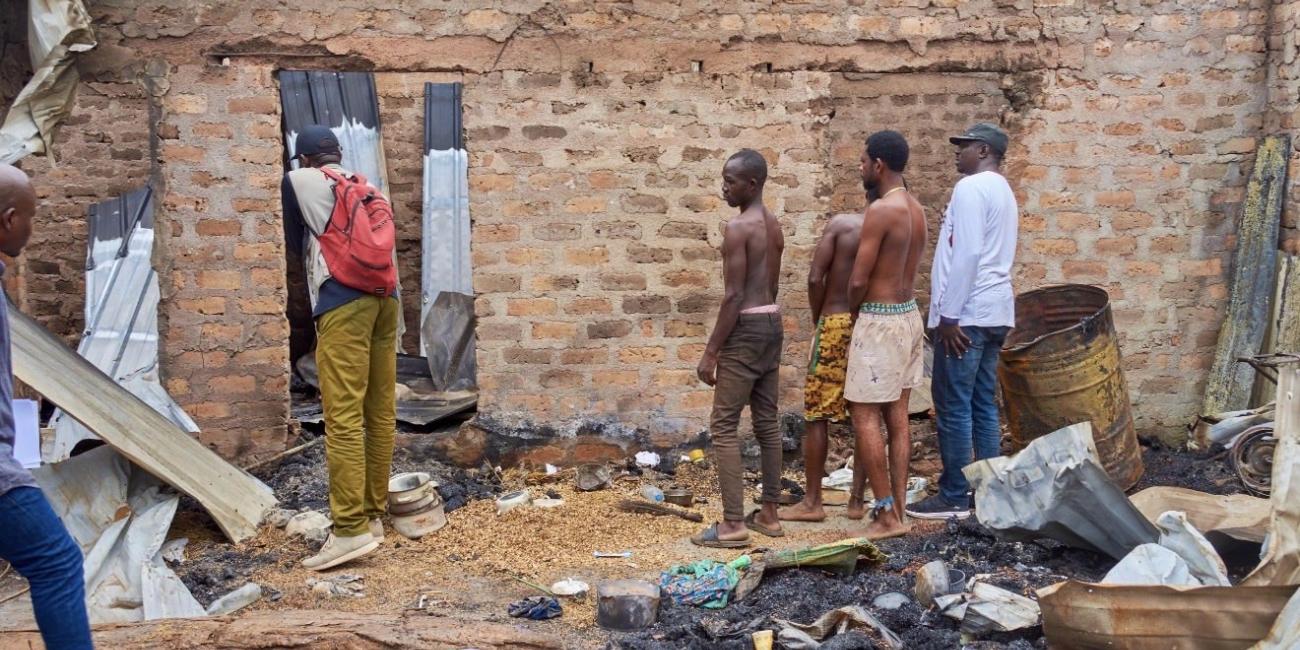
The attack, which occurred on June 14, 2025, saw heavily armed gunmen invade Yelewata community in Benue State, killing more than 100 people and forcing nearly 4,000 residents to flee their homes.
Marking the first anniversary of the tragedy, Amnesty International Nigeria said survivors continue to live in fear while many remain trapped in overcrowded displacement camps with limited access to food, clean water, healthcare, and other basic necessities.
According to the human rights organisation, the scars of the massacre remain visible. Amnesty recalled visiting the community shortly after the attack, describing a horrifying scene where decomposing bodies lay scattered, bullet shells littered the ground, and mass graves were hurriedly dug to bury victims.
The organisation warned that continued attacks across Benue State have robbed thousands of people of their fundamental rights, including the right to life, security, freedom of movement, and access to livelihoods.
Amnesty International further criticised what it described as the government’s failure to investigate the killings and prosecute those responsible. The organisation argued that the lack of accountability has encouraged a dangerous culture of impunity, allowing violent attacks on communities to continue unchecked.
For many survivors, the pain of losing loved ones has been compounded by harsh living conditions in displacement camps and the absence of justice one year after the bloodshed.
The rights group called for urgent action to protect vulnerable communities, support displaced families, and ensure those behind the massacre are brought to justice.
As Yelewata remembers the lives lost, survivors say they are still waiting for more than condolences—they are waiting for security, justice, and the chance to rebuild their lives.