By SUNTV Global Channel | Special Report
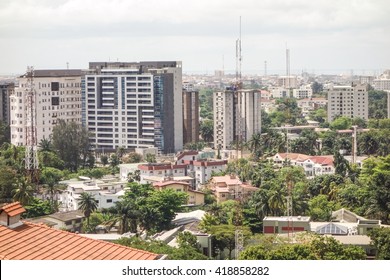
Lagos, Nigeria’s commercial heartbeat and one of Africa’s fastest-growing megacities, is often described—controversially—as “no man’s land.” The phrase resurfaces in political debates, social media arguments, and identity conversations, sparking emotions across ethnic and regional lines. But where did the label come from, and what does it really mean?
The Roots of the Phrase
The idea of Lagos as “no man’s land” is largely tied to its colonial history and constitutional evolution. Before British annexation in 1861, Lagos existed as a kingdom under the Oba of Lagos, inhabited predominantly by Awori Yoruba communities. Colonial rule transformed the city into an administrative and trading hub, drawing migrants from across what would later become Nigeria—and beyond.
When Nigeria gained independence in 1960, Lagos was designated the Federal Capital Territory (FCT). As the nation’s capital, it was administered by the federal government rather than by any single state. This unique status fueled the perception that Lagos “belonged to everyone and no one,” giving rise to the “no man’s land” tag.
Federal Capital Status and Its Impact
As the seat of power until 1991—when the capital moved to Abuja—Lagos became a melting pot. Nigerians from every ethnic group settled there for opportunities in commerce, education, and public service. Over time, this cosmopolitan character reinforced the notion that Lagos was a neutral ground, not owned by any one group.
However, the label blurred an important fact: indigenous communities never ceased to exist. Awori families and other Lagosians maintained ancestral ties, cultural institutions, and traditional leadership even during federal administration.
The Return to Statehood—and Renewed Debate
In 1967, Lagos State was created, and after Abuja became the capital in 1991, Lagos fully reverted to state governance. Despite this, the “no man’s land” phrase persisted—often invoked during elections, debates over residency rights, land ownership, and access to political power.
Indigenes argue that the label erases history and undermines their heritage. Others counter that Lagos’s growth was powered by migrants, making it a shared national asset. The tension between indigeneity and inclusivity continues to shape the city’s politics and social conversations.
What Lagos Is—And Is Not
Experts note that legally and historically, Lagos is not a no man’s land. It is a recognized state with indigenous peoples, laws, and institutions. Yet socially, it functions as Nigeria’s most inclusive city, where opportunity often matters more than origin.
Why the Phrase Still Resonates
The endurance of the term reflects Lagos’s reality:
- A city built by many hands
- A hub where cultures collide and collaborate
- A place where belonging is both contested and constantly renegotiated
The Bottom Line
Calling Lagos “no man’s land” may capture its openness, but it oversimplifies a complex history. Lagos belongs—legally and culturally—to its indigenes, while socially and economically remaining Nigeria’s most shared space.
As debates continue, one truth stands firm: Lagos is not no man’s land—it is everyone’s city, shaped by history, diversity, and relentless ambition.
SUNTV Global Channel—Best in News, Sports and Entertainment.